
But the best hangover cure is to wait it out and drink lots of water. While most over-the-counter hangover remedies won’t help much, there’s one supplement that may do you some good – but you’ll have to plan ahead. Korean pear (Asian pear) juice is an old-school hangover remedy. Research shows that drinking about 7½ ounces helps lower blood alcohol levels and makes hangovers less intense. The catch is that you need to drink it before you have alcohol.
Types of alcohol-related headaches
This article will explore the relationship between alcohol and headache and consider why some people develop an alcohol headache after one drink. Hangovers tend to go away on their own, even if you don’t do anything. As your body readjusts to the lack of alcohol, you start to feel better.
What Time Can You Buy Beer In Colorado? Full Buying Guide
When you drink, your body adjusts to the alcohol in your system in order to maintain a normal 8(ish)-hour cycle of sleep. But your body generally eliminates all the alcohol from your system after five to six hours, yet still remains adjusted to the presence of alcohol. At first, this can be beneficial, making you feel relaxed as your blood pressure is lowered. Hangover symptoms range from a mild headache to nausea and vomiting. These stem from physiological responses to the presence of alcohol in your digestive and urinary systems, like your stomach, kidneys, and bloodstream. A variety headache after drinking beer of chemicals can contribute to post-alcohol headaches.
Why do you get a headache after drinking alcohol?
You’ll start feeling the effects of a hangover hours after you stop drinking. Symptoms of a hangover can be mild or serious, depending on how much and what you drank. You’ll feel the worst as your blood alcohol level goes back to normal. Hangover symptoms can linger for a day or sometimes longer. This type of headache is known as the ‘cocktail headache’ and comes on shortly after taking an alcoholic drink. This type of headache is less common, but many people may notice the symptoms developing within 3 hours of drinking.
- These are substances that the alcohol manufacturing process produces.
- The AMF reports that alcohol can trigger a migraine headache in people who are sensitive to it in as little as 30 minutes.
- Certain by-products found in alcohol (beer’s primary ingredient) such as ethanol, histamine, congeners, etc., act as catalysts for migraine attacks.
- Congeners are primarily found in darker liquors like brandy, whiskey, and wine.
Before consuming a cocktail, ask yourself if it is worth developing a headache over and ruining your celebration or holiday. If you develop a cocktail headache, stop drinking alcohol and go someplace where you can rest comfortably. Drink lots of water to rehydrate your body and help flush the alcohol from your system. A sports drink with electrolytes is also helpful for this purpose. For a hangover headache, also called a delayed alcohol-induced headache, experts believe that nerve chemicals involved in central pain control, like serotonin, are likely responsible. Also, if you notice a pattern where sleeping in the next morning pushes back a regular coffee habit and you end up with head pain, a caffeine headache could be at play.
Bananas and Potassium-Rich Foods
Several states are reporting cases of measles, a highly contagious viral disease. Before going to a clinic or emergency room, it’s important to check with your doctor if you think you or a loved one has measles. This will be helpful in guiding conversations with your doctor about your symptoms. You might have tried some alternative therapies, but did you know about these complementary and integrative treatments?
Treatment

The ABV Sober living house content of beer is responsible for an adverse effect on the brain, liver, kidneys, heart, stomach and other body systems. Although one might feel relaxed and happy after a few drinks, the after-effects are visible soon after that. Moreover, some individuals may have genetic variations in the enzymes responsible for metabolizing alcohol, such as alcohol dehydrogenase (ADH) and aldehyde dehydrogenase (ALDH). These genetic differences can affect how quickly the body breaks down alcohol and metabolizes acetaldehyde. In individuals with slower or impaired alcohol metabolism, acetaldehyde may accumulate in the body at higher levels, increasing the risk of headaches or other adverse effects. Aside from water, alcoholic drinks are mainly composed of ethanol.
- For example, your genetic makeup may be such that you just can’t tolerate a lot of alcohol, or you may have a naturally-low body weight.
- Did you know that 20% of women say they avoid pregnancy because of migraine?
- You may feel much less alert, less able to remember things, and less able to make logical decisions when you’re hungover.
- There’s nothing wrong with enjoying a few drinks but try to limit the amount of alcohol you consume on a regular basis.
- The length of time that a beer headache can last can vary from individual to individual.
Skip the hangover recipes
- However, there are also substances called congeners, which are produced during fermentation, that could make hangover headaches worse.
- This “rebound effect” interrupts deep, rapid-eye-movement (REM) sleep, which can make you feel much more tired the next day.
- Because anxiety can trigger or worsen headaches, these two hangover symptoms are often related.
- This affects many of your body’s normal functions, such as breathing, temperature regulation, and heart rate.
- This article explains why hangover headaches occur, especially in people with underlying migraine disorders.
- Most of us can break down about one drink’s worth of alcohol each hour.
- If you’ve consumed too much alcohol and have to work the next day, what do you do?
But if you find yourself feeling miserable the next morning, drink some water, take an aspirin if you need one, crawl back into bed to catch up on sleep, and, above all, be patient. Drinking lowers your blood sugar, which fuels your brain, and this could contribute to your headache. Carbohydrates in food can help boost your blood sugar back to normal. Try bland foods that are easy on your stomach, like toast and crackers, and drink some juice. Down another drink the next morning, and you’ll hold off the glutamate all over again.

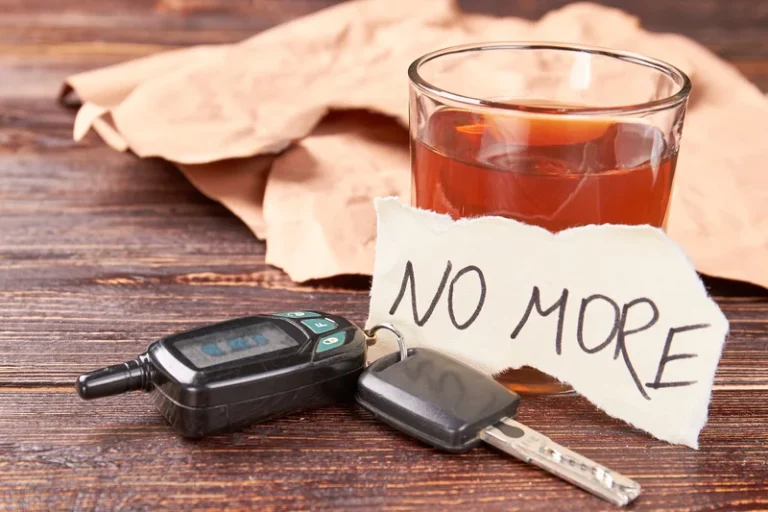
The only guaranteed way to prevent a hangover headache is to avoid alcohol, or at least drink in moderation. Drinking dark liquors (such as whiskey) tends to lead to more severe hangovers due to chemicals called congeners in the drinks. Sugary mixers and tropical drinks can also cause you to drink too much. Sweeteners mask their flavors, so it’s easier to keep drinking them. This alcohol and sugar combo will make you feel worse the following day.
Opt for light-colored drinks like vodka to minimize your hangover blues the day after. Quantity is definitely a factor in whether drinking alcohol will trigger a headache, and the quality of alcohol probably plays a role as well. We do not know for sure, though, how any specific type of alcoholic beverage will affect people with migraine. The type of alcohol does not seem to affect whether a person gets a headache. While red wine has been described as a dominant trigger of migraines and cluster headaches, white wine, champagne, sparkling wines, and beer have also been linked to headaches.